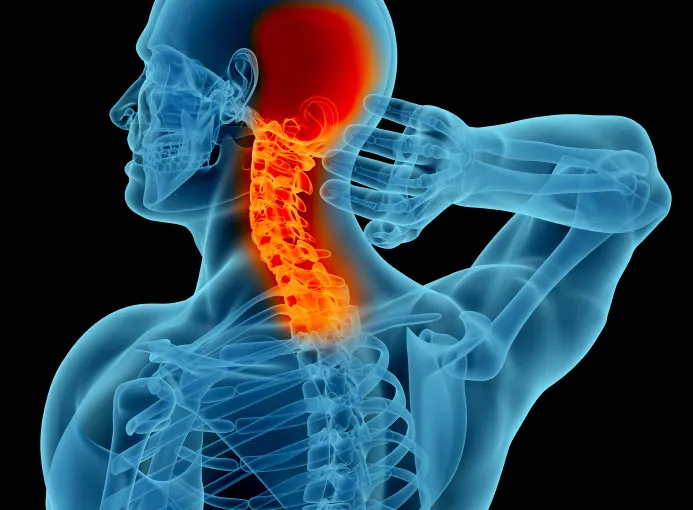
Head/Neck

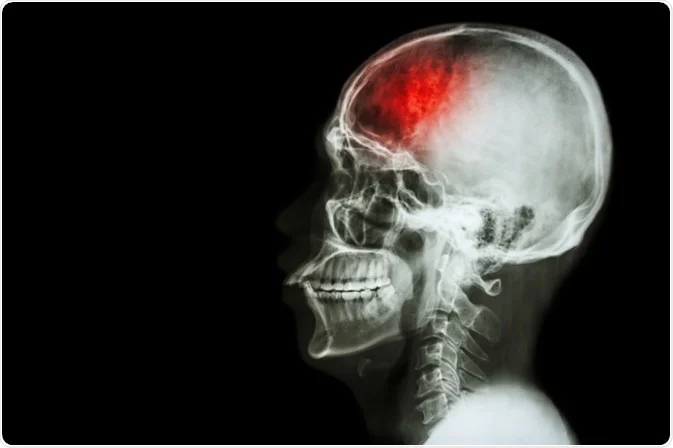
Head illustration
Head
Neck illustration
Neck

Common injuries in this area

Concussion

What it is

A mild traumatic brain injury caused by a bump, blow or jolt to the head, or a hit to the body that makes the head and brain move quickly back and forth. Most concussions happen without being knocked out.

Why it happens

Contact and collision in sport, falls, and accidents. The brain moves inside the skull and its normal working is disrupted for a short time.

Neck strain

What it is

An overstretch or small tear of the muscles or tendons in the neck, causing pain and stiffness that can spread to the shoulders and make turning the head uncomfortable.

Why it happens

A sudden jolt, a tackle, a fall, a heavy heading contest, or long periods bent over a phone or desk that leave the neck muscles tired and vulnerable.

Stinger (burner)

What it is

A sudden burning or electric pain that shoots down one arm after a hit, often with brief numbness or weakness, caused by the nerves that run from the neck to the arm being stretched or compressed.

Why it happens

A tackle or collision that forces the head one way and the shoulder the other, most often in rugby, American football, wrestling and hockey.

Exercises

If something hurts, stop. These exercises support recovery and prevention; they do not replace a doctor or physiotherapist.

For concussion prevention (neck strength)

Chin Tucks

  1. Sit or stand tall
  2. Gently pull your chin straight back, making a "double chin"
  3. Hold for 5 seconds
  4. Repeat 10 times, 2 to 3 times daily

Isometric Neck Holds

  1. Place your palm on your forehead and push your head gently into it without moving
  2. Hold for 5 to 10 seconds, then repeat at the back and each side
  3. Repeat 2 to 3 times daily

For neck strain (once the sharp pain has settled)

Gentle Neck Rotations

  1. Sit tall and slowly turn your head to look over one shoulder
  2. Hold for 5 seconds, then turn to the other side
  3. Repeat 5 to 10 times each way

Shoulder Shrugs

  1. Lift your shoulders up towards your ears
  2. Hold for 2 seconds, then lower slowly
  3. Repeat 10 to 15 times

For stinger prevention (neck and upper back strength)

Scapular Squeezes

  1. Sit or stand tall and squeeze your shoulder blades together and slightly down
  2. Hold for 5 seconds
  3. Repeat 10 to 15 times

Side Neck Holds

  1. Place your palm against the side of your head and push gently into it without moving
  2. Hold for 5 to 10 seconds, then switch sides
  3. Repeat 2 to 3 times daily

Common questions

How do I know if a knock to the head is serious?

Any knock followed by headache, dizziness, confusion, nausea, feeling dazed, or just "not feeling right" should be treated as a possible concussion, and you should stop and be seen by a health care provider. Go to an emergency department straight away if there is a headache that gets worse, repeated vomiting, one pupil larger than the other, drowsiness or difficulty waking, slurred speech, a seizure, increasing confusion, or any loss of consciousness.

Can I go back to sport the same day after a hit to the head?

No. If a concussion is suspected, you should not return to play that day, and you should not return to sport at all until a health care provider clears you. A second hit before the first injury has healed is dangerous. Most teenagers feel better within two to four weeks, and most can return to school within one to two days with some support.

When is neck pain after a hit something to worry about?

Neck pain that is severe, that comes with numbness, tingling or weakness in the arms or legs, that follows a hit where you could not move normally afterwards, or that does not improve within a few days needs a doctor. A stinger that lasts more than a few minutes, affects both arms, or keeps happening also needs to be checked before you play again.

Had a Head/Neck injury? Share it in the Injury Archive, open from 30 October to 30 November 2026.

Join our Newsletter

Subscribe to our newsletter and never miss a story.

We care about your data and never share your email.